
Motion

Lower Body Engagement Is Not Forced — It’s Triggered

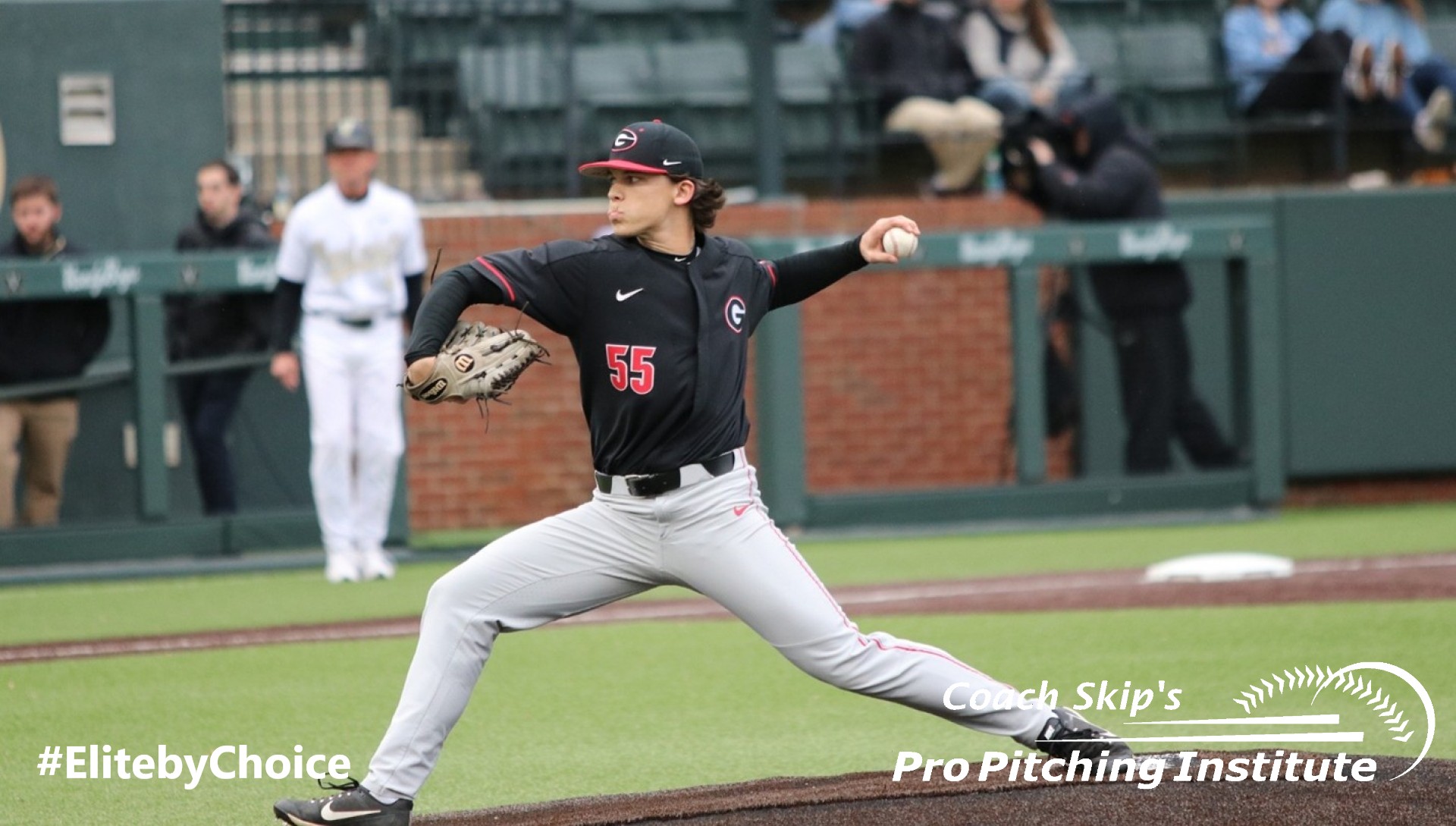
Lower body involvement is not something you try to create. The lower body naturally follows when the sequence is correct.

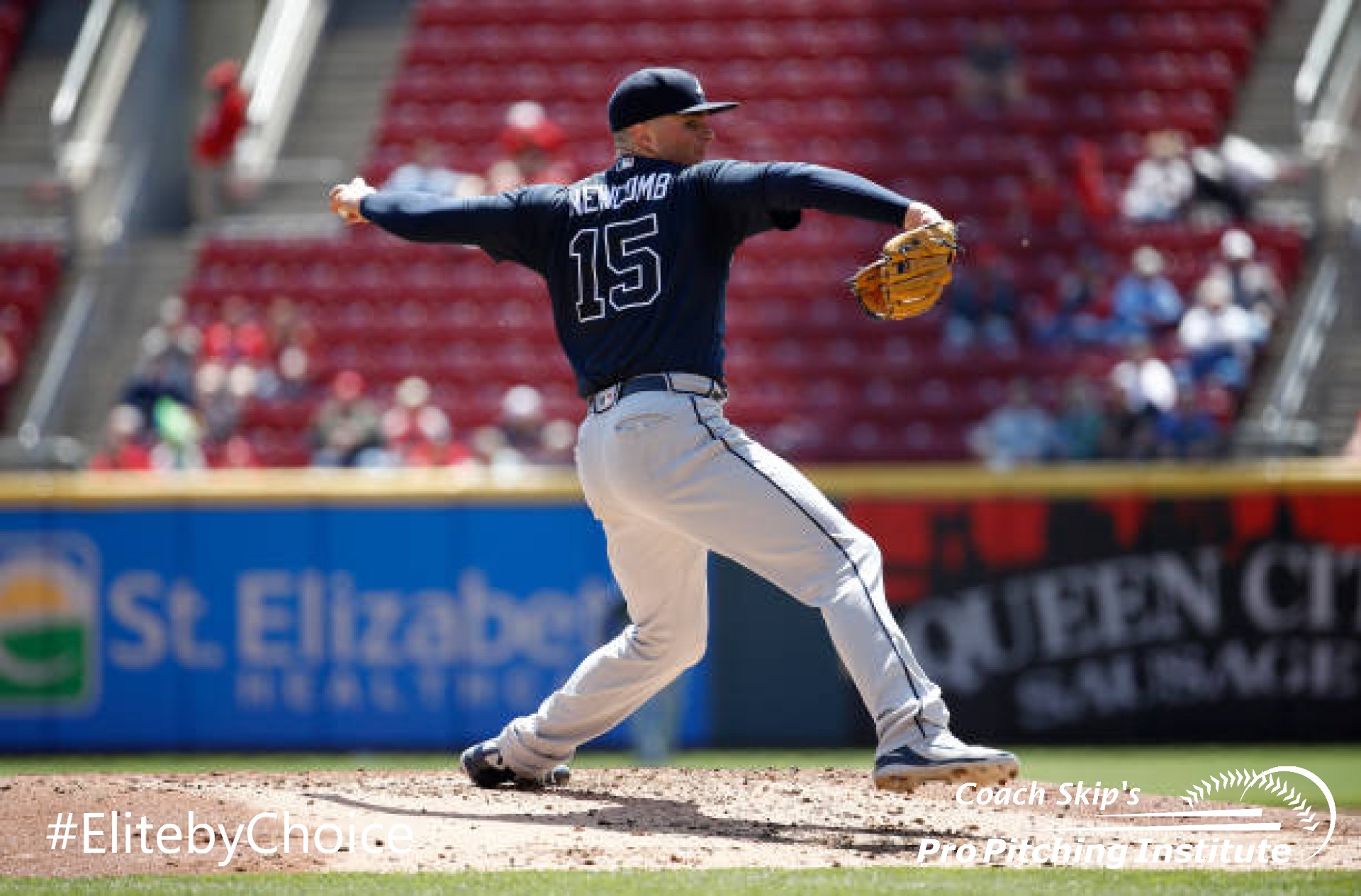
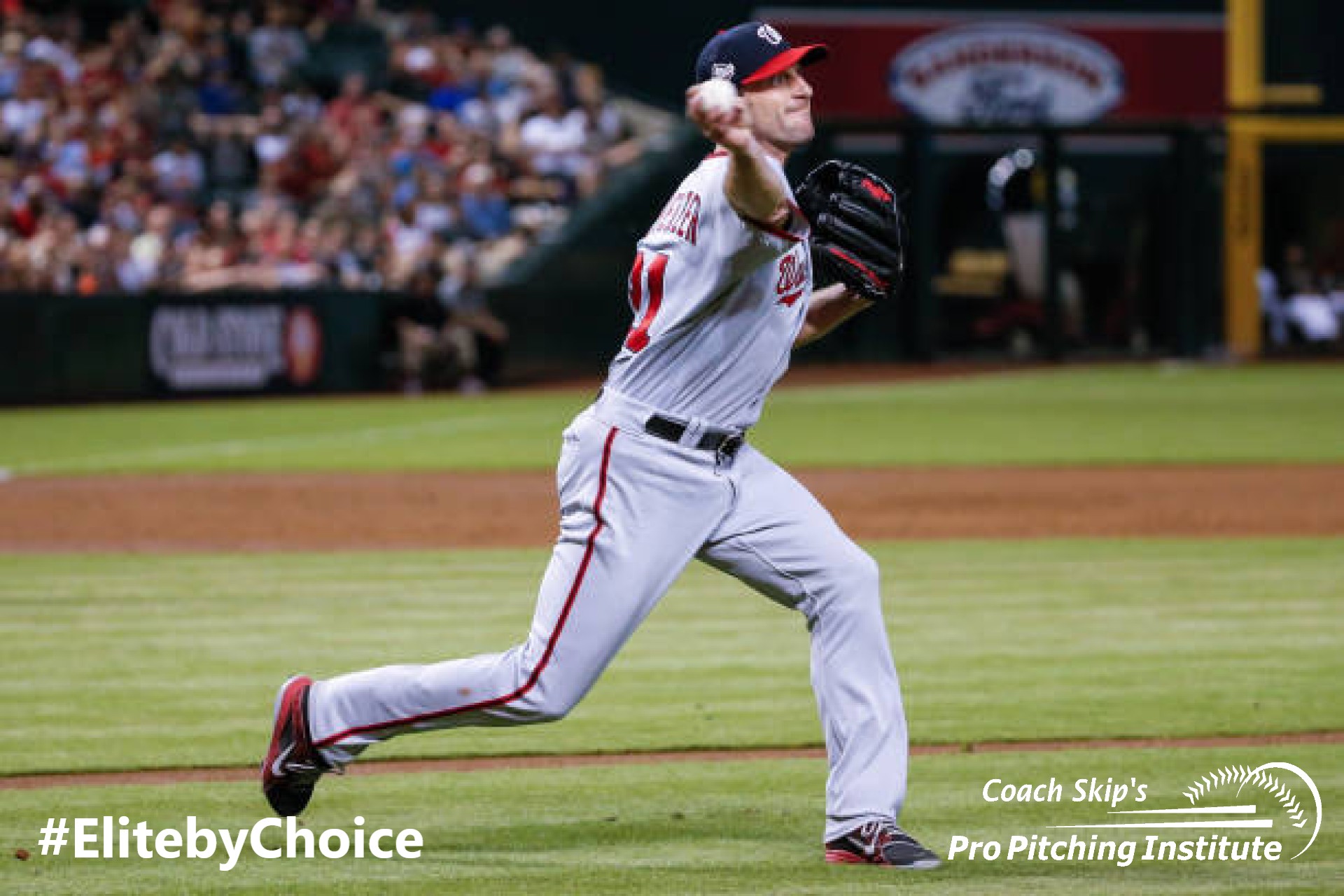
Your Front Leg Sets the Control Point

Your front leg landing creates your foundation, establishes direction, and positions your glove side to control rotation

When the front leg lands correctly, the upper body waits, stabilizes, and prepares to rotate.

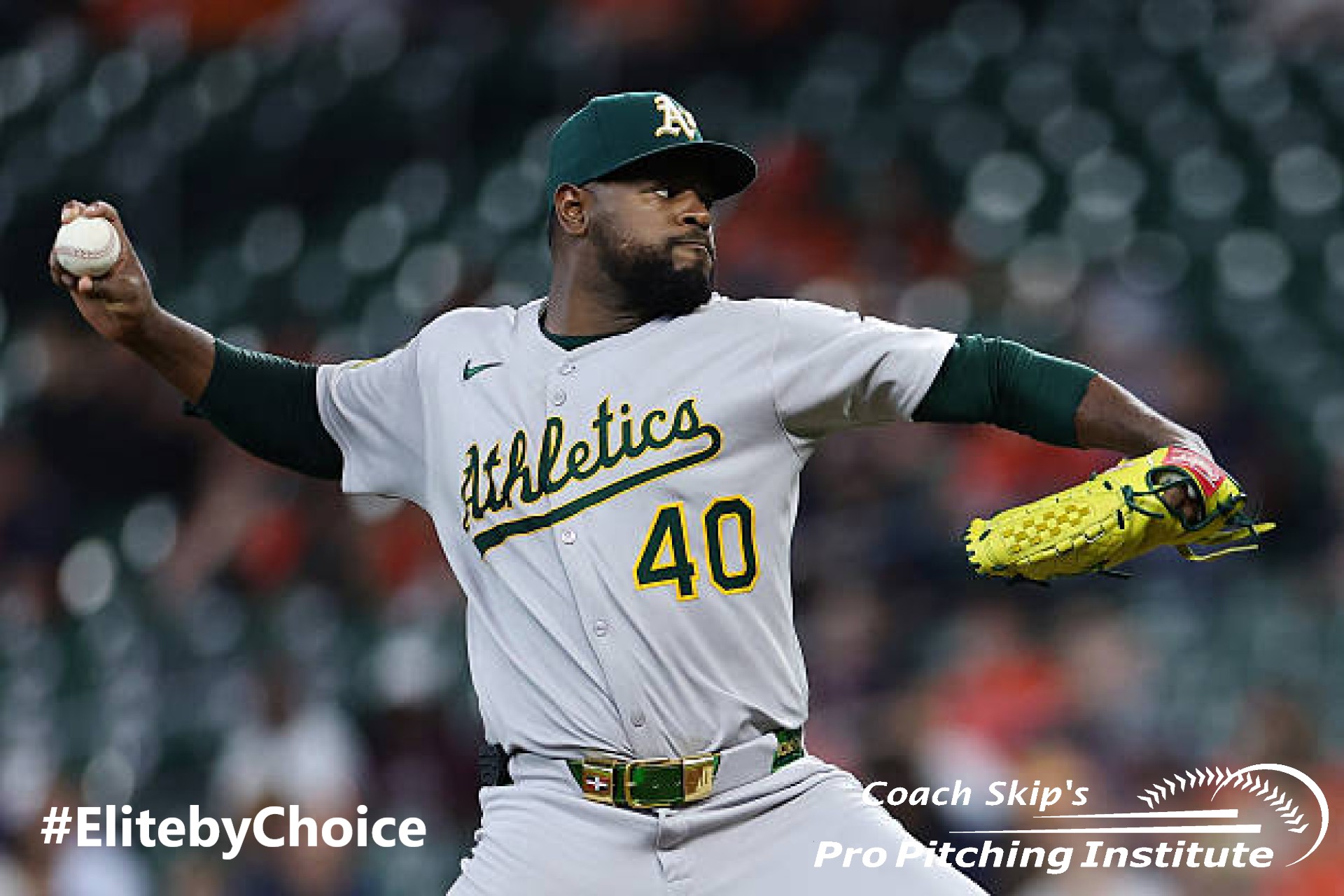
Your Glove Hand Starts the Chain Reaction

Your glove hand works palm up.

Your glove hand creates separation between the upper and lower body, initiates torso rotation, and loads the hips

The glove side sets the timing, and the hips respond.

The Lower Body Activates Automatically

When your front leg lands with direction and your glove hand controls and separates, your lower body has no choice but to drive, rotate, and deliver.

You don’t “use your legs.” Your legs respond to alignment.

Your Lower Body Drives Pitch Location

The lower body controls direction, velocity, stability, and accuracy.

When the lower half is sequenced correctly, the ball doesn’t need to be aimed.

The ball reaches the target because the body moved toward it.

Our Guarantee

We’re so confident in this approach that we offer a simple promise:

If we can’t help you get the ball to your target consistently, your instruction is free. No questions asked.

Coach Skip Fast
“Sequence Over Strength” –
The Missing Foundation of Pitching Mechanics
https://propitchinginginstitute.com
856-524-3248
skip@propitchinginstitute.com
#ElitebyChoice
Copyright © 2026, Pro Pitching Institute.

Better Command Starts With Your Back Knee

Want to throw strikes consistently?

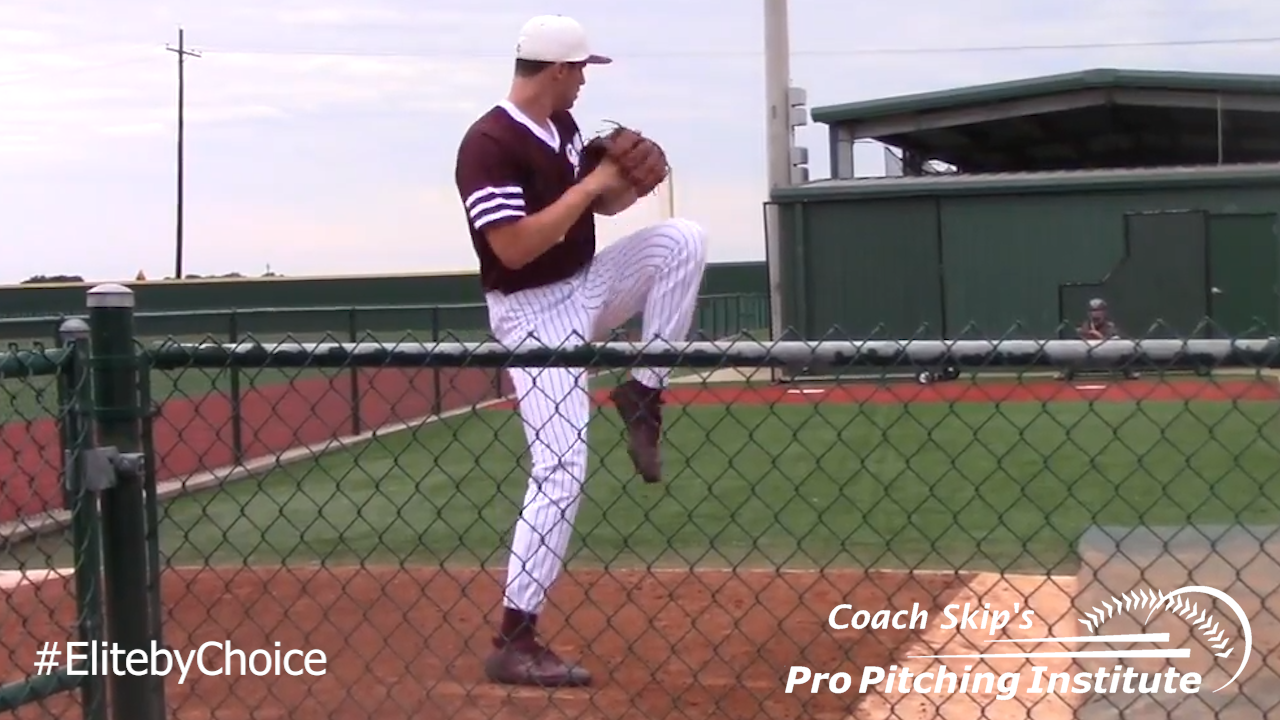
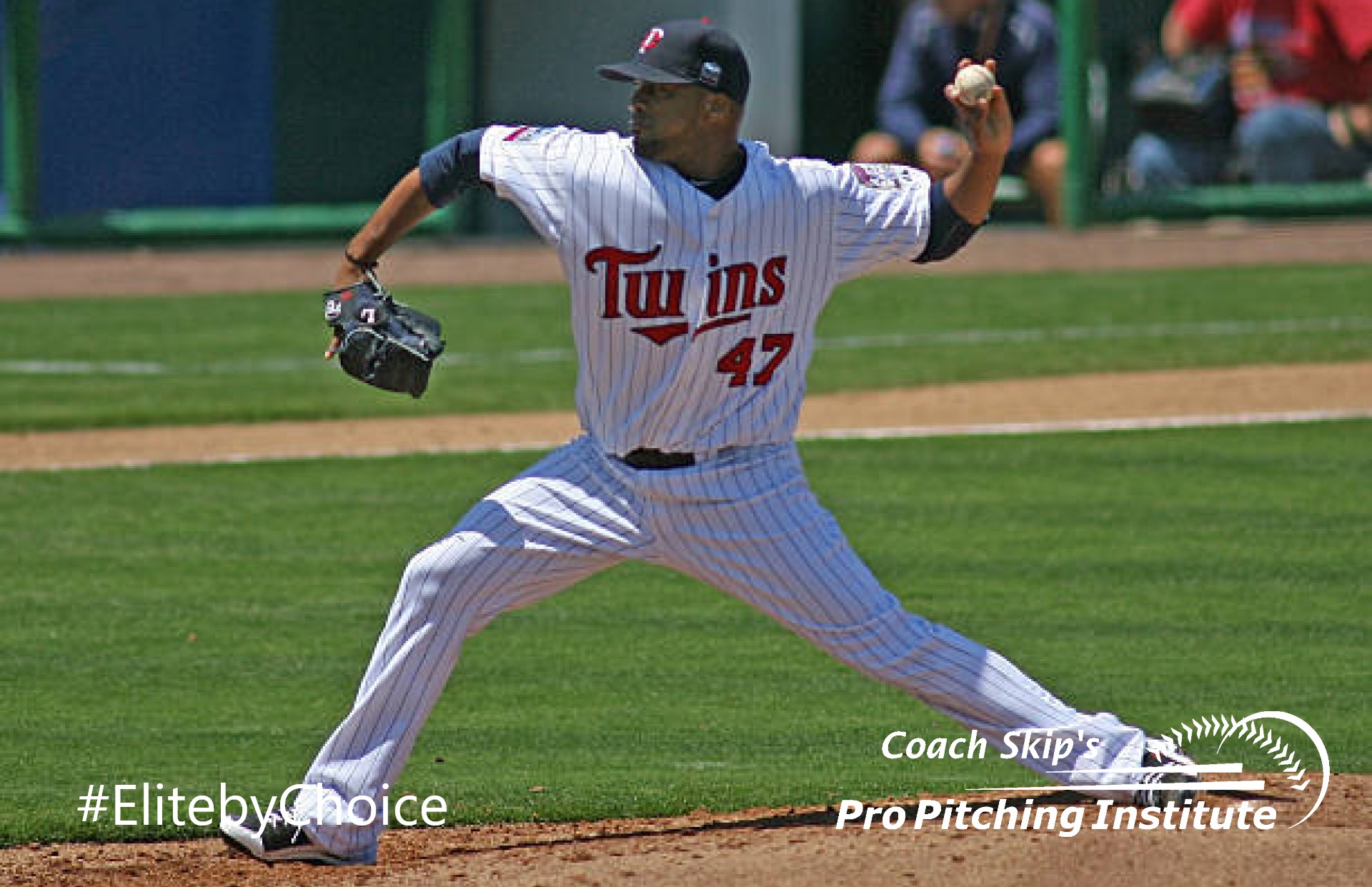
Your back knee behind your back foot keeps your weight centered, stabilizes your base, and allows your delivery to unfold naturally.

When that back knee stays stacked behind the foot, your lower body leads the motion instead of chasing it.

Check Your Back Knee

Many pitchers fight command because their delivery starts in the wrong place.

When your back knee drifts ahead of your back foot, your weight leaks forward early, forcing your arm to compensate, and that compensation kills consistency.

When the base leaks, the arm pays the price.

The Back Knee Advantage

Position your back knee behind your back foot.

Your weight stays back longer for controlled forward momentum, your motion becomes repeatable, not rushed, and your lower-body energy flows forward instead of spinning off-line.

Your arm doesn’t need to “aim,” it simply delivers what the lower half builds.

Pitch Smart

Start with a sequence, keeping your back knee behind your back foot.

Your weight stays centered and controlled, your lower half leads to the motion, your arm stops compensating, and command becomes repeatable

Strength doesn’t fix timing. Sequence does.

Coach Skip Fast
“Sequence Over Strength” –
The Missing Foundation of Pitching Mechanics
https://propitchinginginstitute.com
856-524-3248
skip@propitchinginstitute.com
#ElitebyChoice
Copyright © 2026, Pro Pitching Institute.

Setting the Stage for Success

The position of your front knee at the start of your delivery plays a critical role in balance, power, and command.

Your front knee determines whether your motion is reactive or proactive before the ball ever leaves your hand.

The Reactive Approach: Front Knee Behind the Front Hip

When your front knee starts behind the front hip, your delivery becomes reactive.

Your body is constantly trying to catch up to your weight, your timing becomes inconsistent, your release points vary, and your pitch location becomes unpredictable

Your balance comes from your arm, and when your arm is forced to stabilize your body, your command suffers.

The Proactive Approach: Front Knee Ahead of the Front Hip

Starting with your front knee slightly ahead of your front hip creates a proactive, controlled delivery that moves toward the target.

Your position centers your weight, establishes a stable base, and allows the body to lead the motion

With proper alignment, your kinetic chain works efficiently, with your energy flowing smoothly from the legs and hips through the core into the arm, and your arm simply delivers the ball.

Our Guarantee

You’re in control of your motion, not reacting to it.

We’re so confident in this approach that we offer a simple 3-month guarantee to get your front knee in front of your front hip.

Coach Skip Fast
“Sequence Over Strength” –
The Missing Foundation of Pitching Mechanics
https://propitchinginginstitute.com
856-524-3248
skip@propitchinginstitute.com
#ElitebyChoice

Copyright © 2026, Pro Pitching Institute.

The “Less Is More” Approach

By narrowing the initial stance, you’re essentially minimizing the amount of lateral movement the body manages before the drive phase begins.

Here is a breakdown of why this shift in footwork is so effective for command.

Shoulder Width Plus Stance

The center of gravity starts too low, gets stuck, and the front knee creates instability by drifting behind your front hip.

The front side is prone to “flying open” early, and the release point is inconsistent.

Baseball Width Stance

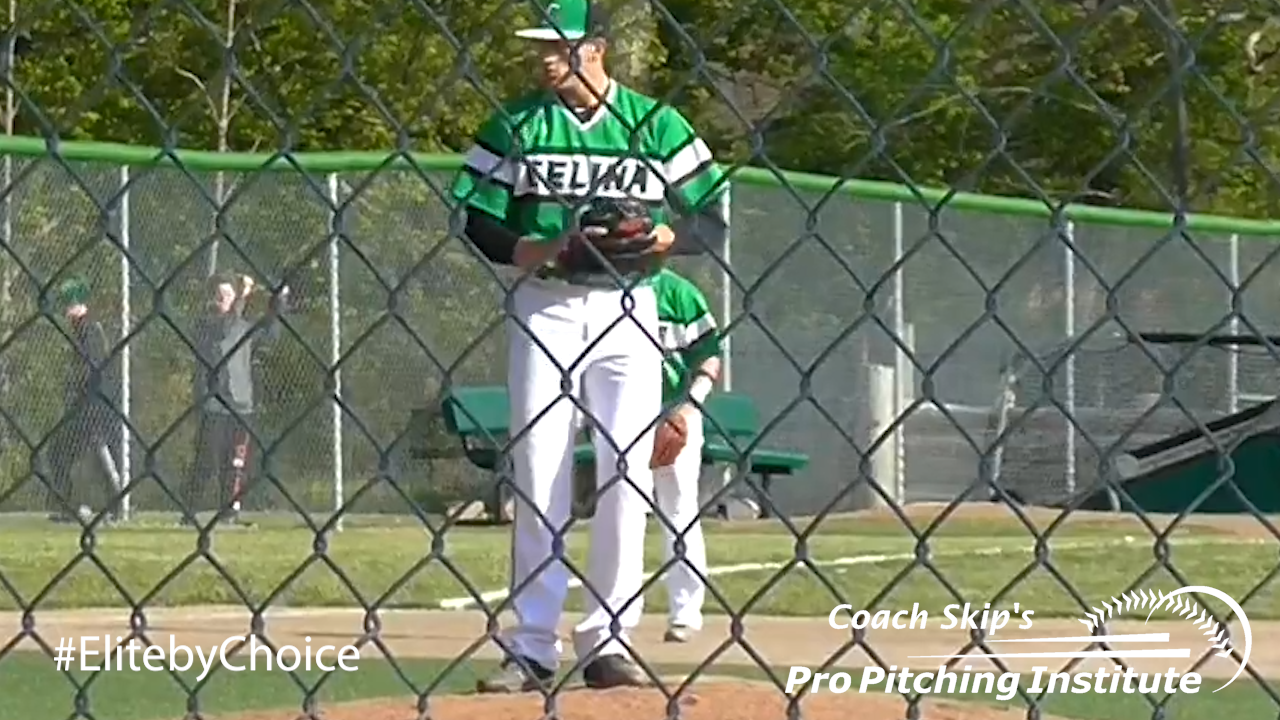
The center of gravity stays centered over the rubber, and your front knee balances in front of your front hip.

The front side stays closed and is directional, with your release point becoming highly repeatable and linear.

The “Drift” Effect

When your feet are too wide, your weight often settles into the “wells” of your stance.

As you lift your lead leg, the momentum naturally pulls your knee backward toward second base to compensate for the wide base and creates a rotational rather than a linear move.

By keeping the feet about one baseball width apart, you simplify the pivot, stack the joints, and improve your timing.

Our Guarantee

We are so confident in a baseball width that we offer a unique promise:

If we can’t help you hit your target by fixing your starting position, send us a video, and we’ll point out where you can improve.

Coach Skip Fast
“Sequence Over Strength” –
The Missing Foundation of Pitching Mechanics
https://propitchinginginstitute.com
856-524-3248
skip@propitchinginstitute.com
#ElitebyChoice
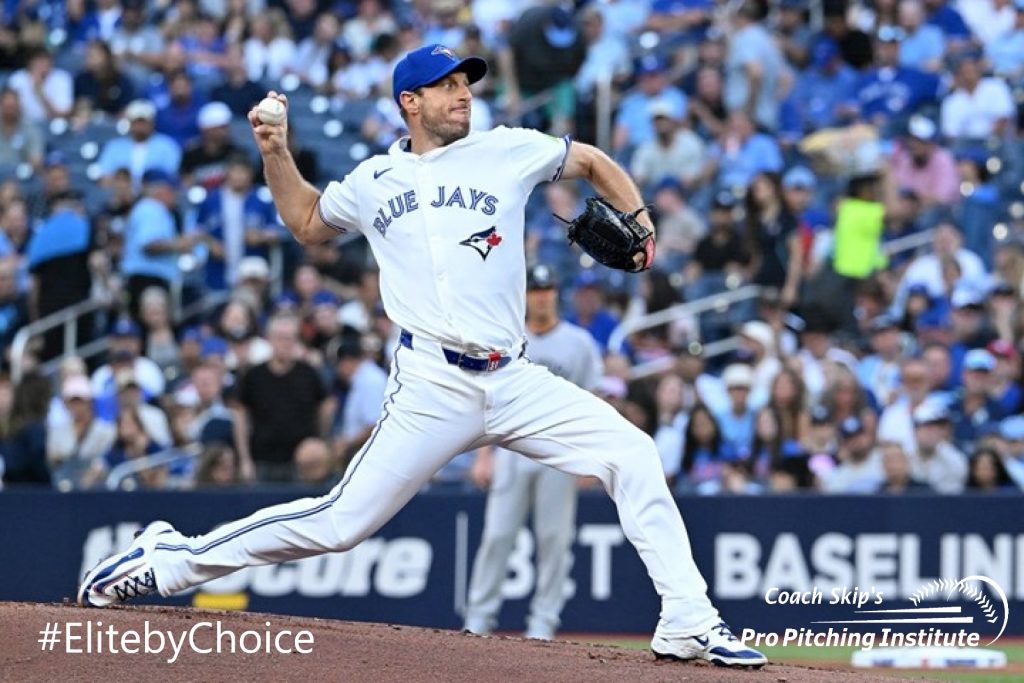
Copyright © 2026, Pro Pitching Institute.

The Balanced Setup

The height of your glove hand at the start of your delivery dictates the timing of your kinetic chain.

Elevating the glove too high creates “noise” and drag, whereas keeping the glove hand palm facing the target creates a direct, powerful path to the plate.

Natural View

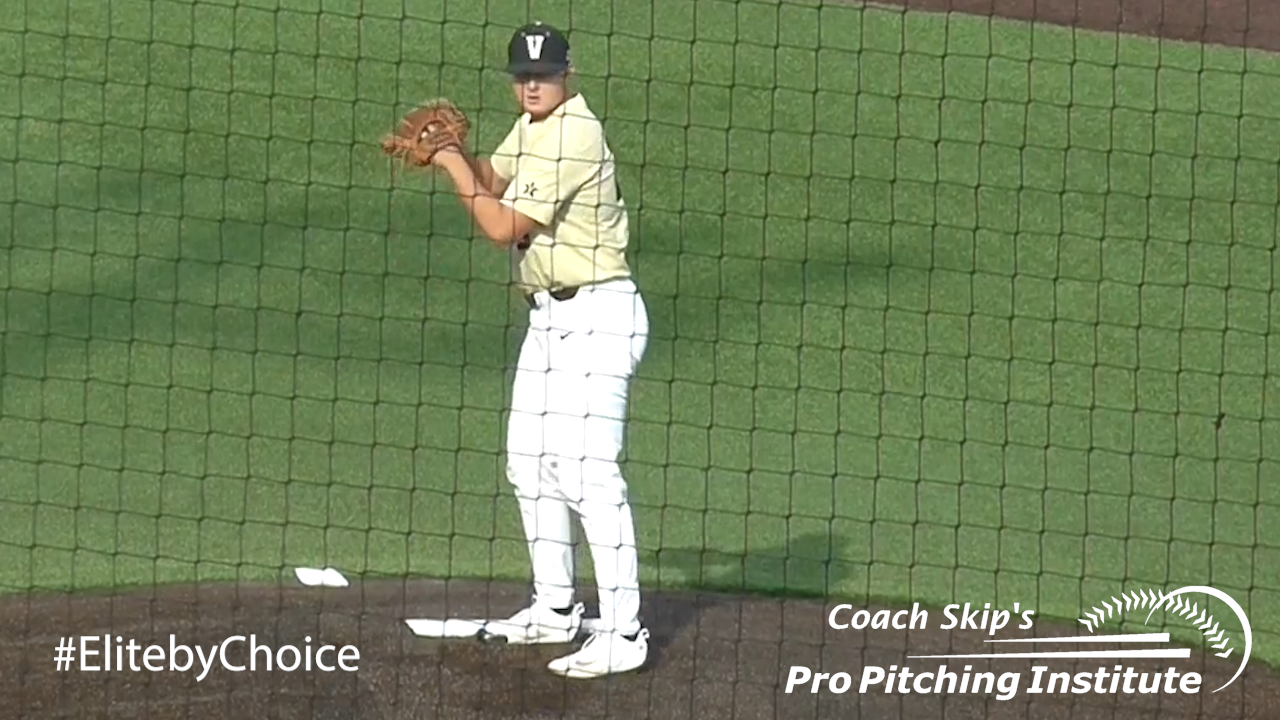
In an elite pitcher, their glove hand remains in a “ready” position, typically tucked near the chest, and the glove hand stays below the level of the lead elbow.

From the catcher’s perspective, the pocket of the glove shows the palm and doesn’t let the front side drift or turn prematurely.

Why “Low” is Efficient

Starting with a high glove hand disrupts the “flow” of the delivery.

A high glove hand forces you to use your throwing arm as a counterbalance, causing it to “drag” behind your body’s rotation.

High glove movement causes your stride foot to crash into the ground before your arm is in the cocked position, which leads to “flat” pitches with no life.

Keeping the glove below the elbow allows for a smoother weight transfer, keeps your center of gravity stable, and ensures your release point remains consistent pitch after pitch.

Our Guarantee

By maintaining a consistent path toward the front hip, you will see immediate improvements in your balance and accuracy or you can contact skip@propitchinginstitute.com for your mechanical update.


Coach Skip Fast
“Command by Choice, Not by Chance”
https://propitchinginginstitute.com
856-524-3248
skip@propitchinginstitute.com
#ElitebyChoice

Copyright © 2026, Pro Pitching Institute.

Why Narrower Feet Equal Greater Command

A common mistake among pitchers is the belief that a wider stance provides a more powerful base.

Over-extending your feet creates a mechanical disconnect, paralyzing your lower-body drive and rendering your glove hand ineffective.

Why does a wide stance sabotage your delivery?

When feet are too far apart, your front leg lift starts behind the front hip, forcing you to “push” out of a hole rather than “driving” from a peak.

Your body is so focused on maintaining balance that the glove hand becomes a mere stabilizer rather than an active trigger for momentum.

A wide base leads to a “collapsing” backside, changing your release point on every pitch and killing your command.

Expanding: Driving from the Pillar

By bringing your feet closer together, you transform your lower body into a high-tension spring.

A narrower base allows the back leg to stay under the center of mass longer, providing a more consistent “push-off” point.

With a stable lower body, your glove hand is free to bring your chest perpendicular to your target.

You achieve a repeatable release point, which is the singular secret to professional-grade accuracy.

Our Guarantee

Proper foot placement is the foundation of every strike. When you narrow your base, and your ball still misses the mark, see the website for your mechanical update.

Coach Skip Fast
“Pitchers: Get the Lower Body Involved©
Pro Pitching Institute
https://propitchinginginstitute.com/lower-body/
856-524-3248
skip@propitchinginstitute.com
#ElitebyChoice

Copyright © 2026, Pro Pitching Institute.

Understanding the Stride and Glove Hand in Pitching

The Stride

The primary purpose of the stride is balance and controlled momentum.

A proper stride keeps the pitcher stable, aligns the body for delivery, and efficiently transfers momentum toward the plate—setting the foundation for power and consistency.

The Glove Hand

The glove hand guides the body and orchestrates delivery.

The glove hand helps maintain balance, guides the throwing arm, and steers the ball toward the target.

Precise glove-hand action reduces unnecessary movement, tightens the release window, and improves accuracy and command.

Ideal Synergy

When stride and glove hand work together, the stride flows seamlessly into the delivery, the glove hand guides the body and throwing arm toward the target, momentum transfers efficiently through the kinetic chain, and velocity and accuracy improve without added effort.

Repeatable mechanics, exceptionally consistent glove-hand behavior, are essential for reliable performance.

Our Guarantee

Practice these techniques, and you will improve both accuracy and power.

We’re so confident in our instructions that if we can’t help you consistently deliver the ball to your target, your instruction is free—no questions asked.

Coach Skip Fast
“Command by Choice, Not by Chance”
https://propitchinginginstitute.com
856-524-3248
skip@propitchinginstitute.com
#ElitebyChoice

Copyright © 2025, Pro Pitching Institute.

Weight Distribution: The Secret to Consistent, Accurate Throws

  The Problem: Too Much Weight in Front

When your weight drifts forward, your throwing arm is forced to work overtime to compensate for poor balance, you lose your natural ability to aim, and you pull your throws.

Because your lower body can’t contribute fully and your arm ends up doing all the work, your power production drops, and you increase stress on your shoulder and elbow.

This “weight-forward” mistake creates inconsistency and makes accurate throwing feel harder than it should.

The Solution: Keep Weight on the Back Leg

The foundation of consistent, powerful throwing is centering your weight between your feet with a slight bias toward the back leg, keeping your body stable, and allowing your throwing arm to move freely and efficiently.

To store energy and stabilize your upper body, you stand with your feet shoulder-width apart, your weight favoring your back leg, and, as you begin your throwing motion, maintain that back-leg emphasis.

You shift your weight forward only as you throw, letting your legs and hips power the movement rather than your arm, and you land on a balanced front side with a relaxed follow-through.

Our Guarantee

Practice these techniques, and your accuracy and power will improve, or we’ll work with you to consistently hit your target, no questions asked.

Top of Form

Coach Skip Fast
“Command by Choice, Not by Chance”
https://propitchinginginstitute.com
856-524-3248
skip@propitchinginstitute.com
#ElitebyChoice

Copyright © 2025, Pro Pitching Institute.

The Pitcher’s Equation: How Power Meets Precision

Organized Motions – Proper Foot Strikes

The interplay between velocity and command in pitching!

Raw Power

Velocity is the speed of the pitch.

High velocity comes from your core rotating, making it hard for hitters to react.

Art of Control

Command is the ability to consistently throw pitches to specific locations within the strike zone or hit your spots.

Command allows for pitch manipulation and weak contact.

Synergy

Synergy—the combination of high velocity and excellent command —makes a pitcher extremely difficult to face.

Accuracy makes velocity far more dangerous.

Mechanics

Power generation starts in the lower body (the legs and hips), transferred through a strong core for balance/stability, and finalized with smooth, efficient arm action for both speed and accuracy.

Smooth mechanics make the above easy to produce.

Let’s hear from you!

By following these tips and seeking guidance from Coach Skip Fast, you can elevate your pitching game and achieve your full potential.

Coach Skip Fast
“Command by Choice, Not by Chance”
https://propitchinginginstitute.com
856-524-3248
skip@propitchinginstitute.com
#ElitebyChoice

Copyright © 2025, Pro Pitching Institute.

The Three Pillars of Mental Toughness

Pro Pitching Institute is one of the top 100 baseball blogs on the Internet.Mental resilience enables pitchers to manage unique pressures and challenges inherent to their position.

1. Pressure Management and Performance Under Stress

Resilience allows pitchers to view high-stakes pressure as a challenge rather than a threat.

This shift in perspective helps them approach difficult situations with confidence, improving their ability to execute pitches under stress (where every pitch counts).

2. Bouncing Back from Adversity

Unlike other positions, a pitcher’s success is intensely scrutinized and closely tied to individual performance metrics, amplifying stress.

Mental resilience enables individuals to recover from poor performances or losses, maintain focus, and adapt to adversity, which in turn directly influences their performance and development.

3. Emotional Regulation and Composure

Resilience is closely linked to emotional regulation, which is crucial for maintaining composure in a competitive environment where emotions fluctuate rapidly (e.g., frustration after an error, euphoria after a successful outcome).

Emotional stability enhances decision-making and performance consistency, vital traits for any successful pitcher.

Getting Better Results

Mental resilience is the key to consistent performance, sustained development, and overall team cohesion.

The Pro Pitching Institute teaches you the mental resilience needed to prompt a throw with uncanny regularity, or your instruction is free … No questions… No hassles… and no hard feelings.

Coach Skip Fast
“Command by Choice, Not by Chance”
Pro Pitching Institute
https://propitchinginginstitute.com
856-524-3248
skip@propitchinginstitute.com
#ElitebyChoice

Copyright © 2025, Pro Pitching Institute.